
Diese Auszeiten kosten kaum Geld, erfordern wenig Planung und lassen sich gut in den Alltag integrieren.

Was sind Mikro-Abenteuer?
Der britische Abenteurer Alastair Humphreys hat den Begriff „Microadventure“ geprägt. Die Idee: das Abenteuerliche im Alltag finden. Ein Mikro-Abenteuer ist kurz, unkompliziert und lokal – kein Flugzeug, keine teure Ausrüstung. Ob ein spontaner Ausflug zum Bach oder eine Nacht auf dem Balkon – es geht darum, die Routine zu unterbrechen und die nähere Umgebung neu wahrzunehmen.
Warum Familienrituale für Kinder wichtig sind
Kinder wachsen in einer Welt auf, die sich ständig verändert. Feste Rituale geben ihnen Orientierung und Halt.
- Reliability and Structure Wenn Kinder wissen, was sie erwartet, sinkt ihr Stresslevel.
- Identity and belonging: Rituale schaffen ein Wir-Gefühl und vermitteln dem Kind, dass es dazugehört.
- Resilience Positive Routinen helfen Kindern, schwierige Phasen besser zu bewältigen.
Besonders Abendrituale geben Kindern Sicherheit – ob Vorlesen, eine Gute-Nacht-Geschichte im Deckenzelt oder das Erzählen von Tageserlebnissen. Solche Momente helfen Kindern, den Tag zu verarbeiten und zur Ruhe zu kommen.
Mikroabenteuer-Ideen für Kinder
Es braucht keine exotischen Orte. Hier sind einige Ideen, die sich leicht umsetzen lassen.
Der Weg ist das Ziel
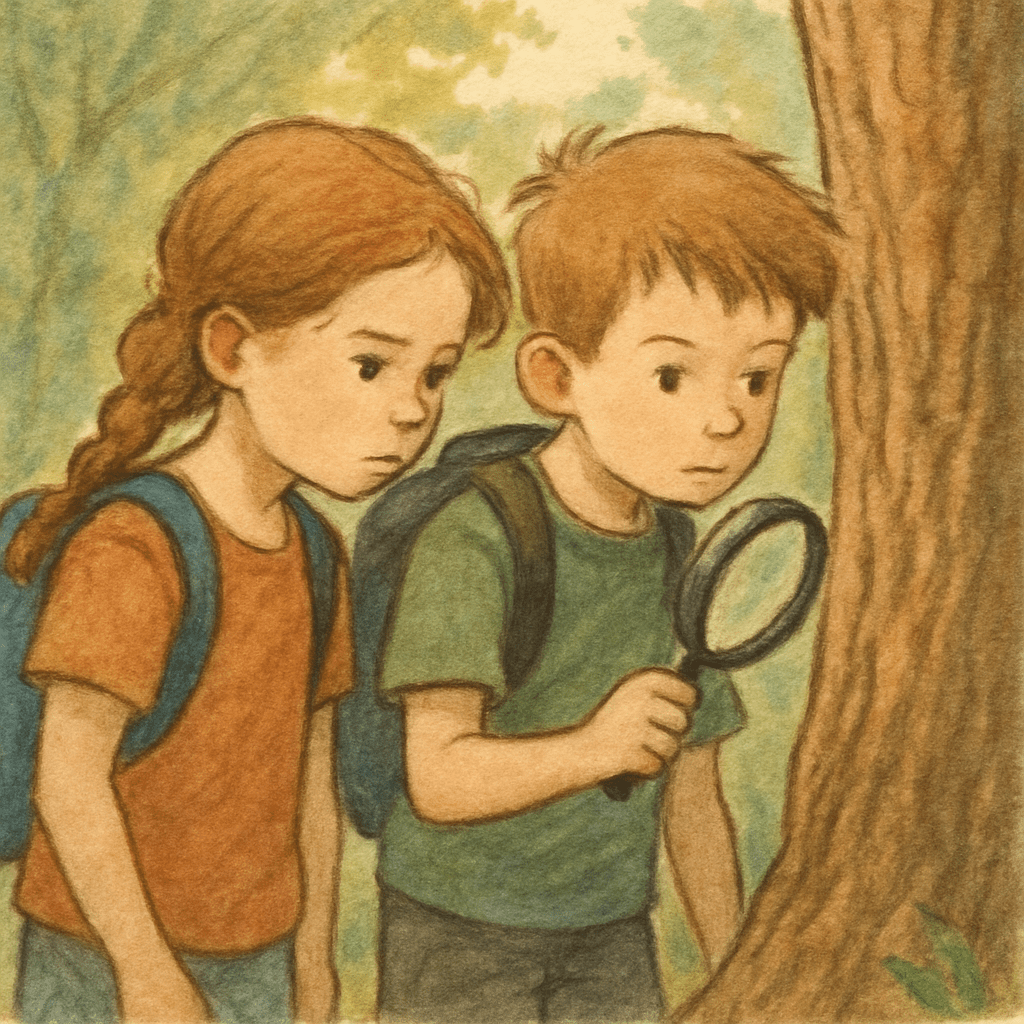
Planen Sie auf dem Schulweg zehn Minuten extra ein. Geben Sie Ihrem Kind eine handgemalte Schatzkarte oder eine kleine Papiertüte. Suchen Sie nach Dingen einer bestimmten Farbe oder sammeln Sie im Herbst ungewöhnliche Blätter. So wird aus dem Fußweg schnell ein kleines Erlebnis.
Auch in der Stadt gibt es viel zu entdecken. Einfach mal drei Stationen weiter mit der Straßenbahn fahren und ein unbekanntes Viertel erkunden – das kann für Kinder genauso aufregend sein wie ein großer Ausflug.
Draußen spielen ohne Budget
Die Natur verlangt keinen Eintritt. Ein knappes Familienbudget ist kein Grund, auf gemeinsame Erlebnisse zu verzichten.
Ein paar Ideen für draußen ohne viel Vorbereitung:
- Nature Bingo Einfache Symbole auf einen Karton malen (Kiefernzapfen, runder Stein, rote Beere, Vogel). Wer zuerst alles gefunden hat, ruft Bingo!
- The Floor is Lava (Forest Edition): Gemeinsam über Baumstämme balancieren und von Stein zu Stein springen, ohne den Waldboden zu berühren.
- Barfußlaufen: Eine weiche Wiese oder einen moosigen Waldabschnitt suchen und ein paar Meter ohne Schuhe gehen.
Wenn Eltern mitmachen, erleben Kinder sie in einem anderen Licht. Nebenbei nimmt man sich die Zeit, die Jahreszeiten bewusster wahrzunehmen – den ersten Frost spüren, Kastanien sammeln, Frühlingsknospen beobachten.
Abenteuer nach Sonnenuntergang
Ein Ausflug bekommt oft allein durch eine andere Uhrzeit eine neue Qualität. Wenn die Sonne untergeht, verändert sich die vertraute Umgebung.
Eine Nachtwanderung mit Taschenlampen im Garten oder im nahegelegenen Park wirkt auf Kinder ganz anders als tagsüber. Die Büsche sehen aus wie geheimnisvolle Höhlen, man hört Tiere, die man sonst überhört. Solche Ausflüge helfen Kindern nebenbei, weniger Scheu vor der Dunkelheit zu entwickeln.
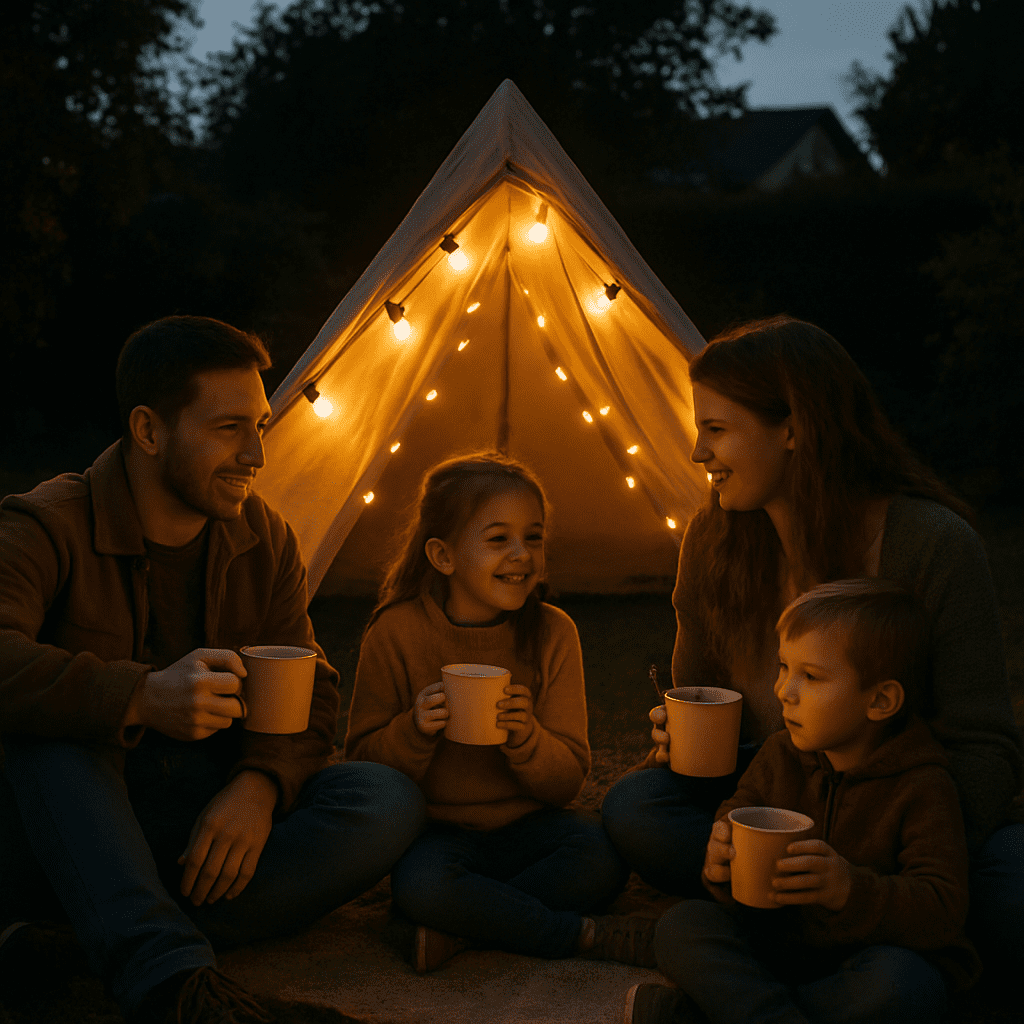
Eine andere Idee: einmal im Monat bei Vollmond warm anziehen und für 20 Minuten nach draußen gehen – Thermoskanne mit Kakao mitnehmen, in den Himmel schauen. Solche festen Punkte im Kalender werden oft zu Ritualen, an die sich Kinder lange erinnern.
Adventure for any weather: From indoors to outdoors
We all know those days when it rains non-stop and our mood hits rock bottom. The question often arises: Living room picnic vs. trip to the forestBoth have their charm and can be designed as micro-adventures!
The Living Room Picnic: Clear the coffee table, spread out the largest blanket you can find, and serve dinner on the floor. For even more of an adventurous feel, you can build a tent out of chairs and sheets and have the picnic inside with flashlights. This completely breaks up the everyday routine and creates instant excitement.
The rainforest excursion: If you decide to go on the excursion: put on your rubber boots, zip up your rain jackets, and head into the forest! The forest smells completely different in the rain, the colors are more intense, and the puddles invite you to jump in. Afterward, your couch at home will feel twice as cozy.
No matter what you choose, such deliberate breaks from routine promote Stress-free everyday life through small mindfulness exercises. Mindfulness doesn't always mean meditating in absolute silence. It means being fully present in the current moment—whether it's listening to raindrops on your hood or savoring a sandwich on the living room floor.
Out of the Matrix: Time for Real Experience
In a world where smartphones, tablets, and streaming services are ubiquitous, we often lose touch with the analog world. Conscious abstinence can work wonders. Here's a little Instructions for a Digital Detox Weekend with the family
- Preparation (Friday evening): Announce the plan positively. This is not a punishment, but a shared adventure. Gather all screens (phones, tablets, laptops) in a box and put them out of sight.
- The backup plan: Provide analog alternatives. Have board games ready, borrow new books from the library, get craft supplies, or plan outings.
- Implementation (Saturday & Sunday): At first, you might experience boredom without constant notifications. This is completely normal and even important! Children often tap into their deepest creativity when they feel bored. Use this time for in-depth conversations, cooking together, or long walks.
- Reflection (Sunday evening): During a nice dinner, discuss how the weekend felt. Mostly, you'll find that time passed much slower and you feel more rested.
For the Brave: The Night in the Woods
For those who want to take their digital detox weekend to the next level and are looking for true wilderness, an overnight stay in the great outdoors is the ultimate experience. But before you blithely stride into the woods, good preparation is important.
The right Wild camping gear for beginners decides whether the adventure will be a success or end in a freezing night and abandonment. Here is a basic checklist for families:
- Sleeping pads Good insulation from below is more important than a thick sleeping bag. Don't skimp on the quality of your sleeping pad, as the cold from the ground is the biggest enemy when sleeping outdoors.
- Sleeping bags: Pay attention to the comfort temperature (not the extreme temperature!) of the sleeping bag. It should be insulated according to the season.
- Shelter / Tarp Wild camping with a tent is not permitted in many forests (e.g., in Germany). A good alternative is to use official trekking camps or sleep under the open sky (bivouacking). A simple tarp stretched between trees will protect you from dew and light rain.
- Lighting Headlamps for every family member are a must. They keep your hands free and provide safety.
- Catering and First Aid: Sufficient water, energy-rich snacks, garbage bags (Leave No Trace!), and a well-equipped first-aid kit including tick tweezers.
Note: Always inform yourself about local laws regarding overnight stays in the outdoors and making fires in nature.

Conclusion: Magic happens in the here and now
It doesn't take much effort to spice up family life with adventures. Whether you change the route to school, explore the garden with flashlights on a Friday night, or move dinner to the living room floor – all these little things add up to a happy childhood full of wonderful memories.
Micro-adventures force us adults to see the world again through the eyes of our children. They teach us that happiness doesn't wait at the other end of the world, but is often right on our doorstep. Give it a try, pack your backpack, grab your loved ones, and make the upcoming weekend your very own, personal, big little adventure!
