
Dass ausgerechnet Produkte, die als natürlich und gesund beworben werden, Schadstoffe enthalten können, liegt an der Chemie des Backens und der Wahl der Süßungsmittel. Warum bestimmte Zutaten beim Erhitzen problematisch werden – und was sich dagegen tun lässt.

Acrylamide is formed in cookies through the Maillard reaction.
Wenn stärkehaltige Lebensmittel stark erhitzt werden, entsteht die braune Kruste und der typische Backgeruch – beides Folge der sogenannten Maillard-Reaktion. Dabei verbinden sich Aminosäuren mit bestimmten Zuckerarten. Eine entscheidende Rolle spielt Asparagin, das in Getreideprodukten wie Weizen, Dinkel oder Roggen vorkommt. Trifft es bei etwa 120 °C auf Zucker, entsteht als Nebenprodukt Acrylamid. Je dunkler der Keks gebacken wird, desto höher ist der Gehalt.
Acrylamid in Bio-Lebensmitteln
Viele Verbraucher sind überrascht, wenn Tests zeigen, dass ökologische Kekse häufig schlechter abschneiden als konventionelle Ware. Das liegt weniger an mangelnder Hygiene als an den Rezepturen: Der Versuch, Kekse gesünder zu machen, führt oft zu höheren Acrylamidwerten. Acrylamid gilt als potenziell krebserregend und erbgutverändernd.

Zuckeralternativen und Acrylamid
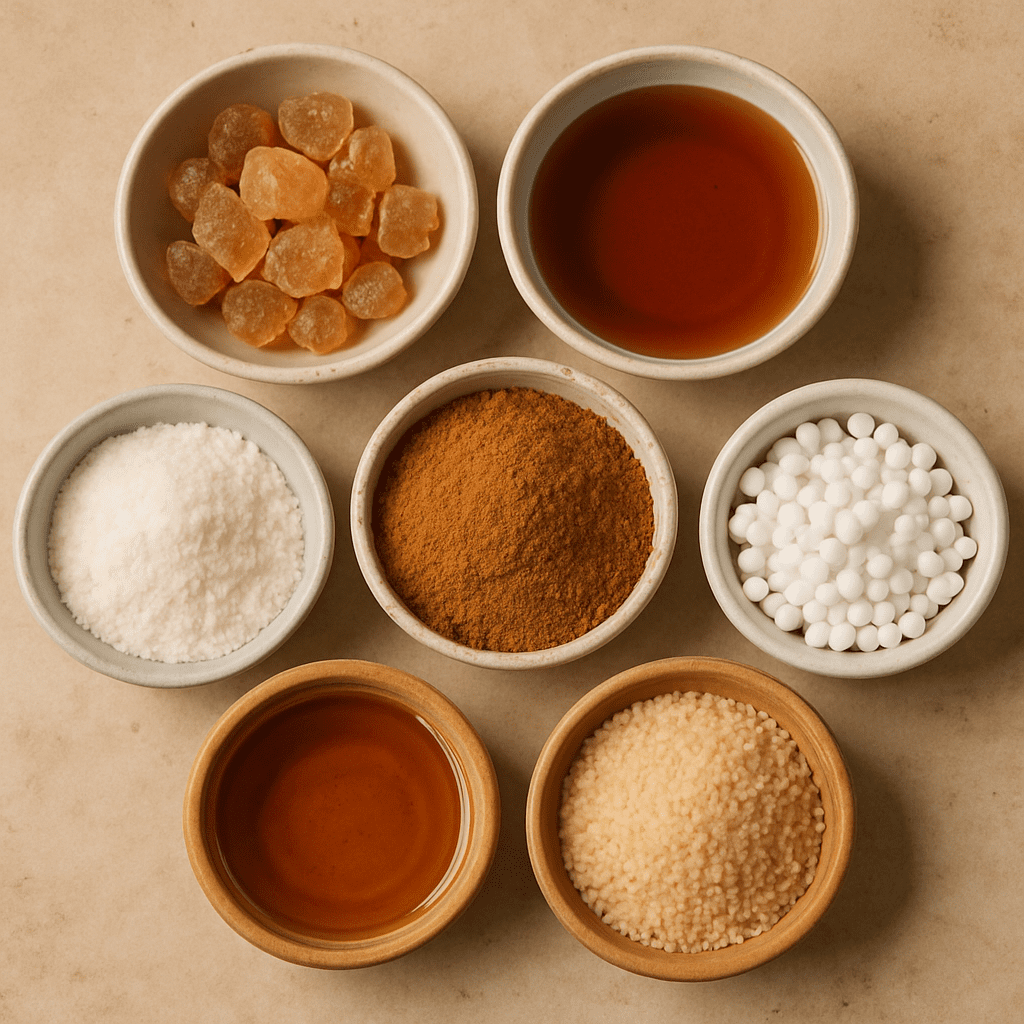
Wer auf weißen Haushaltszucker verzichtet und stattdessen Agavendicksaft, Honig, Fruchtpürees oder Kokosblütenzucker verwendet, erhöht damit oft das Risiko einer erhöhten Acrylamid-Bildung.
Für die Maillard-Reaktion werden sogenannte reduzierende Zucker benötigt – also Glukose und Fruktose in freier Form. Viele Zuckeralternativen enthalten genau diese.
Fruchtzucker vs. Haushaltszucker
Haushaltszucker besteht aus einer festen Verbindung von Glukose und Fruktose und ist kein reduzierender Zucker – er reagiert beim Backen deutlich träger. Alternative Süßungsmittel enthalten dagegen oft viel freie Fruktose und Glukose. Backwaren damit bräunen schneller und bilden deutlich mehr Acrylamid.
Risiken beliebter Alternativen
- Agavendicksaft: Besteht zu über 80 % aus freier Fruktose. Im Keksteig verbacken steigen die Acrylamidwerte stark an.
- Kokosblütenzucker: Mineralstoffreicher als Haushaltszucker, verhält sich beim Backen aber ähnlich problematisch. Er karamellisiert schnell und fördert bei zu hoher Temperatur die Schadstoffbildung.
Gesetzliche Richtwerte
Es gibt festgelegte Richtwerte für Acrylamid in Lebensmitteln. Für Kekse und Zwieback, die für Säuglinge und Kleinkinder bestimmt sind, gelten besonders strenge Vorgaben. Unabhängige Tests zeigen jedoch, dass bei allgemeinen Keksen – auch im Bio-Segment – diese Richtwerte durch den Einsatz von Zuckeralternativen teils ausgeschöpft oder überschritten werden.
Acrylamidgehalt beim Backen senken
Mit ein paar Anpassungen lässt sich der Acrylamidgehalt beim Backen deutlich reduzieren:
- Niedrige Backtemperatur: Die Faustregel lautet: vergolden statt verkohlen. Bei Umluft maximal 170 °C, bei Ober-/Unterhitze maximal 190 °C. Höhere Temperaturen lassen die Acrylamidbildung stark ansteigen.
- Geeignete Süßungsmittel: Wer auf Haushaltszucker verzichten möchte, kann auf Zuckeralkohole wie Erythrit oder Xylit ausweichen. Diese nehmen an der Maillard-Reaktion nicht teil und fördern daher keine Acrylamidbildung.
- Mehlsorte beachten: Vollkornmehle – besonders Roggen und Dinkel – enthalten mehr Asparagin als helles Mehl. Wer Vollkorn verwendet, sollte umso mehr auf eine niedrige Backtemperatur achten.
- Egg in the dough Studien deuten darauf hin, dass die Zugabe von Ei die Acrylamidbildung reduzieren kann.
- Keksdicke: Sehr dünne Kekse trocknen schnell aus und verbrennen an den Rändern – dort bildet sich besonders viel Acrylamid. Den Teig nicht zu dünn ausrollen.
Bewusst auswählen und backen
„Bio“ und „natürlich“ bedeuten nicht automatisch, dass ein Lebensmittel beim Erhitzen unbedenklich ist. Das gilt besonders für Kekse mit Zuckeralternativen wie Agavendicksaft oder Fruchtkonzentraten. Sind solche Zutaten ganz oben in der Zutatenliste und der Keks dazu noch sehr dunkel gebacken, ist Vorsicht angebracht.
Selbst backen bleibt eine gute Option: Mit angepasster Temperatur, geeigneten Süßungsmitteln und heller Bräunung lässt sich der Acrylamidgehalt deutlich reduzieren.
