
Fertige Kindersnacks kosten mehr, als viele denken. Mit einfachen Alternativen und etwas Vorbereitung lässt sich hier dauerhaft sparen – ohne dass Kinder auf Leckeres verzichten müssen.
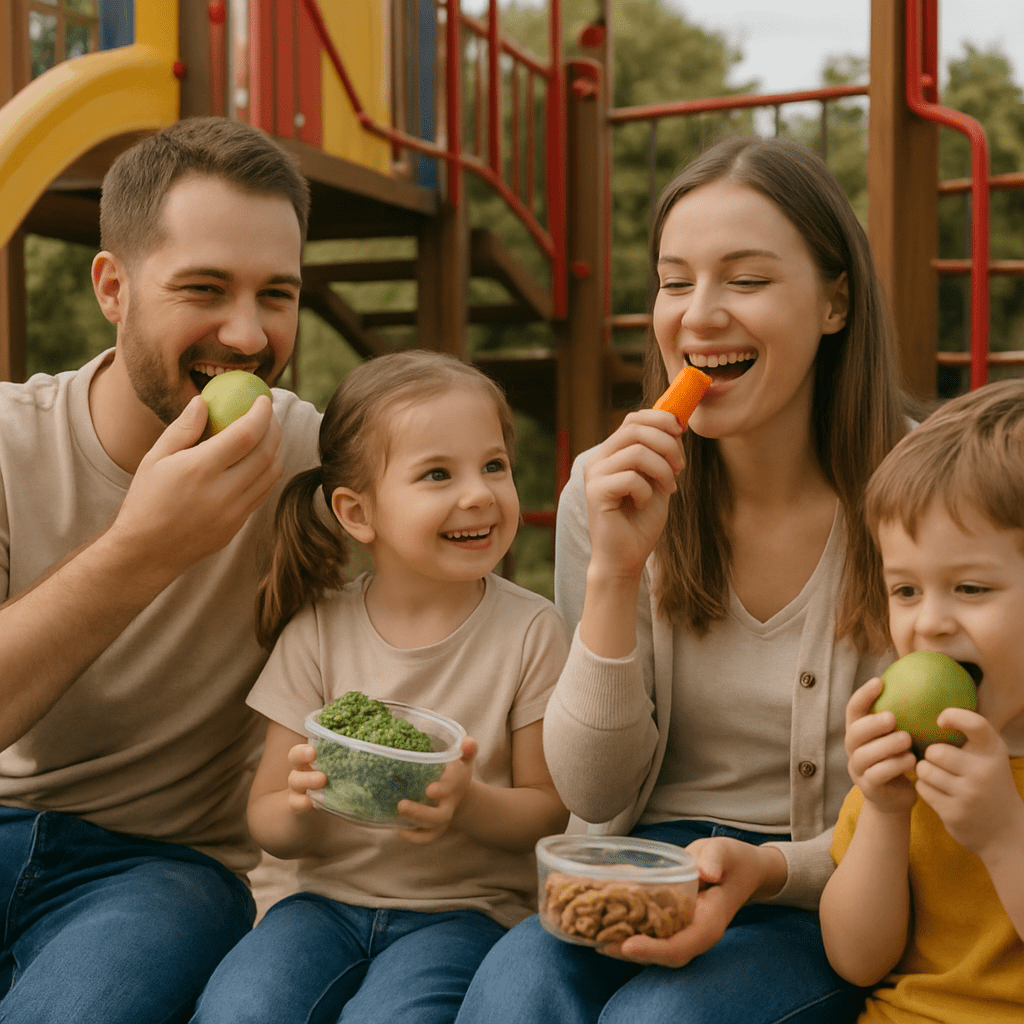
Why are ready-made baby products so expensive?
Betrachtet man die Zutaten, steht der Preis vieler Kindersnacks kaum im Verhältnis zum Inhalt. Ein großer Teil der Kosten entfällt auf Marketing und Verpackung:
- Royalties: Bekannte Figuren auf der Verpackung kosten die Hersteller Geld – das zahlen am Ende die Käufer.
- Portioning Viele kleine Einzelverpackungen erhöhen die Produktions- und Materialkosten deutlich.
- Günstige Zutaten: Oft bestehen diese Produkte zu großen Teilen aus billigen Rohstoffen wie Zucker, Reismehl oder Palmöl.
Wie viel kosten Quetschies im Monat?
Ein Marken-Fruchtbeutel kostet im Schnitt etwa 0,85 Euro. Bei einem Kind, das täglich einen isst, sind das:
- 0,85 € × 30 Tage = 25.50 Euros per month
- With two children: 51.00 Euros per month
- Aufs Jahr gerechnet: über 600 Euros
Günstige Alternative: Ein großes Glas ungesüßtes Apfelmark kostet etwa 1,50 Euro für 700 Gramm. Wiederverwendbare Quetschbeutel gibt es für rund 10 Euro im 6er-Set. Eine Füllung kommt dann auf ca. 0,20 Euro – und spart auf Dauer deutlich Geld und Plastikmüll.
Einkaufsstrategien für den Supermarkt
Oft reicht es, beim Einkaufen ein paar Gewohnheiten zu ändern.
Preis pro 100 Gramm vergleichen
Achte nicht auf den Gesamtpreis, sondern auf den Preis pro 100 Gramm. Große Kartons wirken günstig, sind es aber oft nicht. Ein Müsliriegel im 4er-Pack kann pro 100 Gramm deutlich teurer sein als Haferflocken aus der Großpackung.
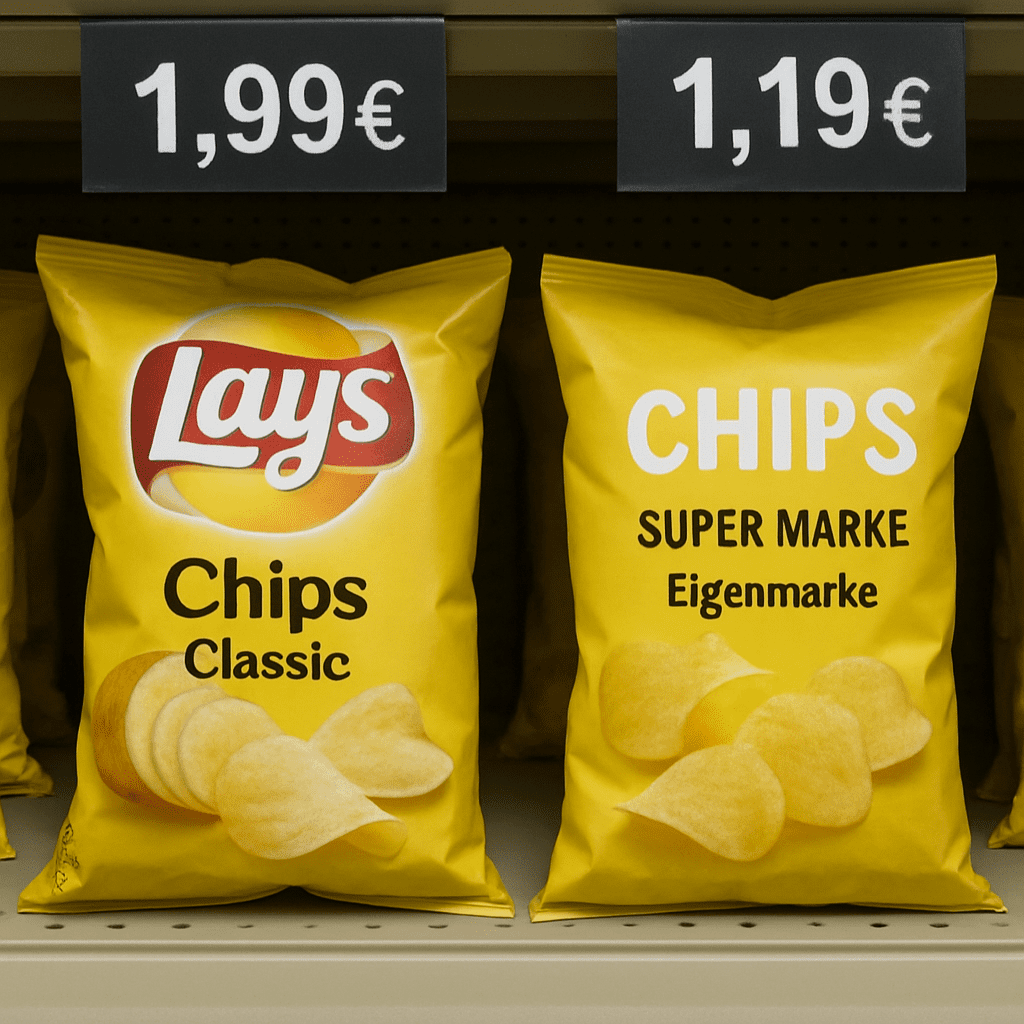
Eigenmarken statt Markenprodukte
Viele Eigenmarken der Supermärkte und Discounter stammen aus denselben Fabriken wie teure Markenartikel. Die Qualität ist oft vergleichbar, der Preis bis zu 50 Prozent niedriger. Ob Butterkeks, Reiswaffel oder Fruchtriegel – die Hausmarke schont das Budget sofort.
Großpackungen nutzen
Kleine Tütchen mit Nüssen oder Brezeln sind praktisch, aber teuer. Kaufe solche Snacks in großen Gebinden und fülle sie zuhause in kleine Dosen oder Beutel um. So entstehen günstige Portionen für unterwegs.
Bei Angeboten auf Vorrat kaufen
Wenn haltbare Produkte im Angebot sind, lohnt es sich, mehr zu kaufen. Haferflocken, Trockenobst oder Zwieback halten lange und können trocken und dunkel gelagert werden. Bei Preissenkungen von 20 bis 30 Prozent ist das eine einfache Möglichkeit zu sparen.
Günstige Alternativen zu Fertigsnacks
Das größte Sparpotenzial liegt im Selbermachen – mit dem Vorteil, dass man weiß, was drin ist.
Weniger Zucker durch selbst gemachte Snacks
Viele Kinderprodukte enthalten viel zugesetzten Zucker, auch wenn sie gesund wirken. Wer selbst macht, hat das unter Kontrolle.
- Beispiel Joghurt: Ein großer Eimer Naturjoghurt mit pürierten Tiefkühlfrüchten ist frischer und günstiger als fertige Kinderjoghurts.
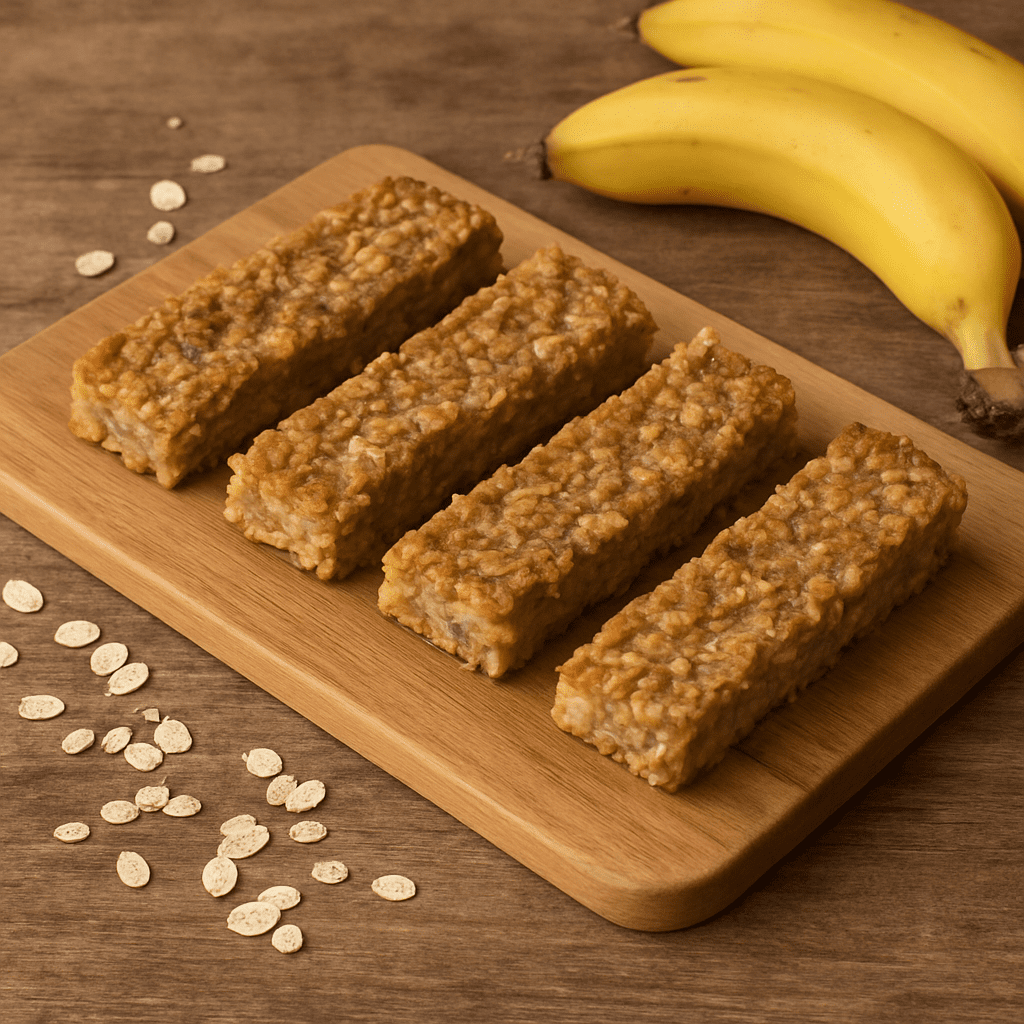
Müsliriegel selbst machen
Fertige Riegel kosten oft zwischen 0,50 und 1,20 Euro pro Stück. Selbst gemacht sind sie deutlich günstiger.
Einfaches Grundrezept:
- 2 reife Bananen (zerdrückt)
- 150 g rolled oats
- 2 tbsp Peanut butter (no added sugar)
- Optional: Rosinen oder geriebener Apfel
Alles vermengen, auf ein Backblech streichen und bei 180 Grad ca. 15–20 Minuten backen. Nach dem Abkühlen in Riegel schneiden.
What children's snacks are healthy and inexpensive?
When parents are looking for new ideas, they often ask themselves: What healthy and affordable snacks are there for kidsNature offers the best answers here; you just have to use them skillfully.
Integrate fruits and vegetables affordably into your daily life
Fresh fruits and vegetables have a reputation for being expensive. But that's only true if you buy out of season or opt for pre-cut convenience products. Here's how you can Integrate fruits and vegetables affordably into your daily life:
- Shop seasonally: Strawberries in winter are not only ecologically questionable but also extremely expensive. In winter, opt for apples, pears, carrots, and tangerines. In summer, melons and berries are often abundant and inexpensive.
- Using frozen foods: TK produce (without additives) is flash-frozen immediately after harvest. It often contains more vitamins than fresh produce that sits on the shelf for days, and is usually significantly cheaper. Perfect for smoothies or yogurt!
- Farmers' market shortly before closing: Anyone who strolls through the weekly market shortly before the stalls are taken down can often snag boxes of fruits and vegetables for a few euros.
- „Buying “ugly" vegetables: Many supermarkets now offer produce with cosmetic flaws at a significant discount. For apple slices or carrot sticks, the appearance doesn't matter anyway.
Lunchbox Ideas for Kindergarten & On the Go
Morning stress often leads parents to quickly stop at the bakery on the way to kindergarten or pack ready-made snacks. A cheese roll here, a pre-made smoothie there – it all adds up. The solution is preparation.
Healthy Lunchbox Ideas Under 1 Euro
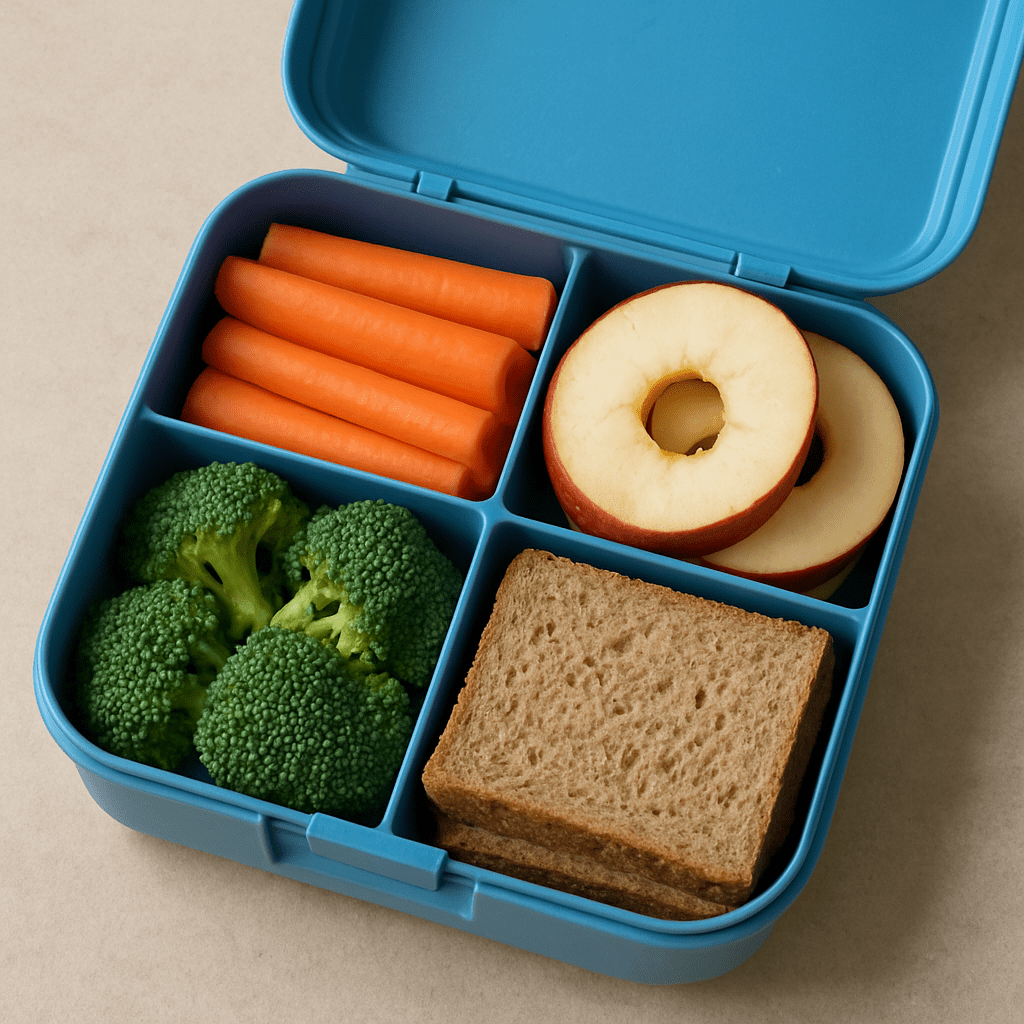
With a little planning, you can fill your lunchbox with a variety of options that are very inexpensive. Here are a few Healthy Lunchbox Ideas Under 1 Euro per serving
- The classic upgraded: Whole grain bread with cream cheese and cucumber slices (approx. €0.40). Instead of using cookie cutters (which creates leftovers), simply cut into child-friendly small triangles.
- Savory Muffins Dough made from eggs, a little flour, grated cheese, and leftover vegetables (zucchini, carrot). Baked in muffin tins, they freeze very well. (approx. €0.35 per muffin).
- Apple Cinnamon Rings Slice an apple into rings, remove the core, and sprinkle lightly with cinnamon. (approx. €0.30).
- Chickpea Snack: Rinse canned chickpeas, roast with a little paprika powder and a drop of oil in the oven. Crispy and extremely high in protein (approx. €0.50 per decent portion).
Such Kindergarten meal prep ideas can be wonderfully prepared in the evening or on the weekend. This not only saves time in the morning but also calms your nerves and your wallet.
Practical snacks for on the go
When you go on excursions, are Snacks on the go essential. Anyone who has to feed hungry children at the snack bar in an amusement park or zoo will pay pharmacy prices. Invest in leak-proof stainless steel containers. Fill them with:
- Corn cakes (cheaper and more flavorful than rice cakes)
- Homemade popcorn (corn kernels for the pan cost almost nothing, the snack is airy, filling, and extremely popular with children)
- Hard-boiled eggs
- Cucumber and pepper sticks
Long-term saving tips for family life
Besides direct shopping and preparation tips, there are also many opportunities to reduce expenses on an organizational level.
Reduce food waste in children's snacks
Children have phases where they love a certain food, and the next day they completely reject it. The bitten apple, the half-eaten bread – all of it often ends up in the trash. If you Reduce food waste in children's snacks If you want to, try the following tricks:
- Upcycling of leftovers: Brown, overripe bananas can be made into banana bread (a perfect snack!). Dry bread can be made into French toast or croutons for soup.
- Offer small portions: Don't give your child the whole apple, but just a few wedges at first. There are always seconds. This way, the rest remains untouched and can be eaten or processed later.
- Puree mushy fruit If berries or peaches are no longer looking good, purée them and freeze them in ice cube trays. Mixed with water, this makes a great „fruit water“ for the afternoon.
Household book for family expenses
To truly understand where your money goes, there's no way around documentation. Household book for family expenses is the ultimate step to identify saving potentials.
You don't have to do it old-fashioned with pen and paper; there are excellent, free apps available now. Track every small amount for a month – even the 2 euros for a pretzel at the bakery or the 1.50 euros for an impulse snack at the supermarket checkout. You'll be surprised how high the „snacks/in-between“ category adds up to. When you see this number in black and white, your motivation will skyrocket to Affordable alternatives to expensive brand-name snacks to implement in everyday life.
Summary: Small changes, big impact
It is absolutely possible to Save your family's budget: You can save money long-term on these popular kids' snacks – and all this without your children having to go without enjoyment. On the contrary: by reducing sugar and additives, you actively promote their health.
The most important steps on the way there are critically questioning marketing strategies, bravely opting for store brands and bulk packaging, and a bit of preparation in the evening. Those who learn, Homemade granola bars for kids to be able to and the Avoiding sugar traps in children's snacks Victory wins across the board.
Start today. Grab a lunchbox, buy seasonal fruit, avoid garish processed foods, and start keeping a household budget. Your bank account will thank you, the environment will benefit from less packaging waste, and your children will love the fresh, homemade snacks. Every saved euro on everyday trifles is one more euro for the next unforgettable family outing!
