Reports of the current meningitis outbreak in England are currently causing concern for many families. Due to rapid European travel, the risk of contracting Meningococcus B while traveling is suddenly at the forefront for German households. Bacterial meningitis (inflammation of the brain lining) is fortunately rare, but it develops extremely quickly and, according to medical experts, particularly affects infants and young children.
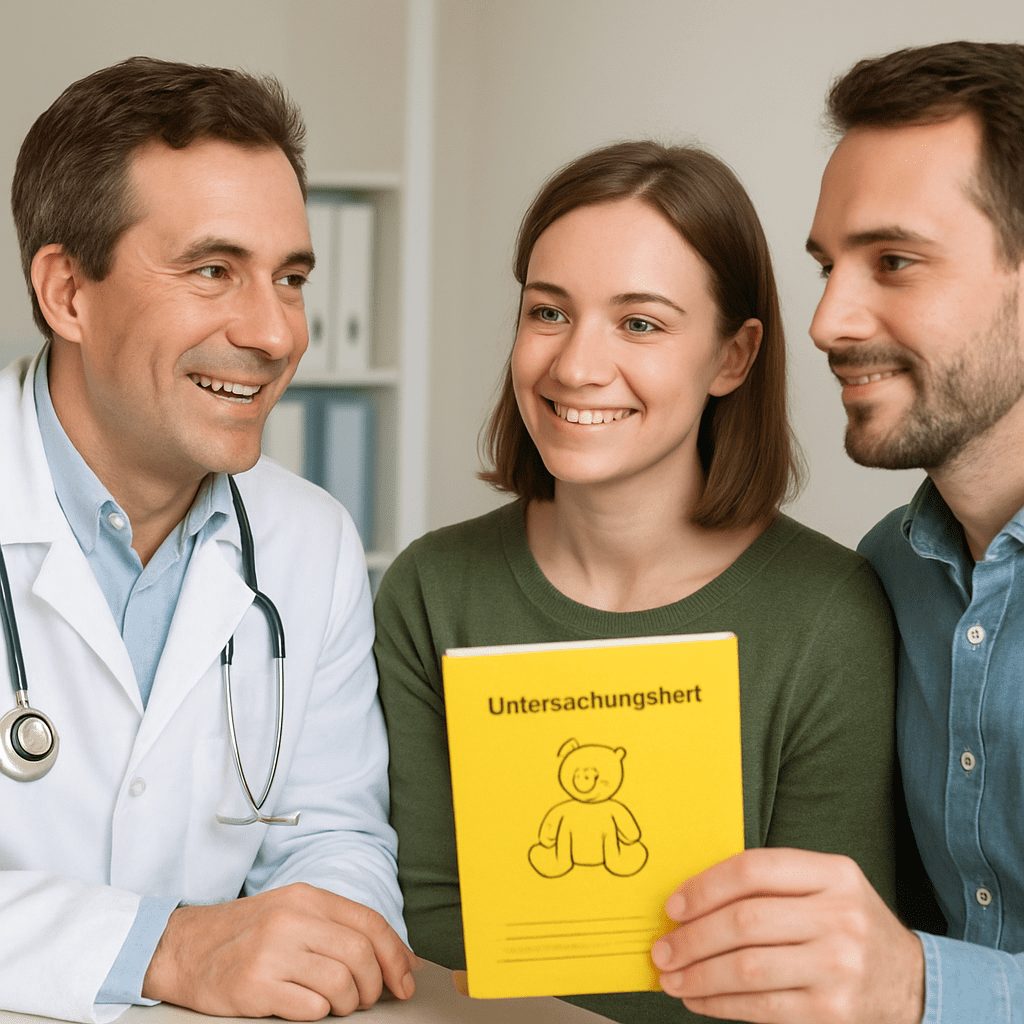
A look at the yellow booklet reassures at first, but this can be misleading. According to data from the Robert Koch Institute (RKI), the current standard vaccination schedule
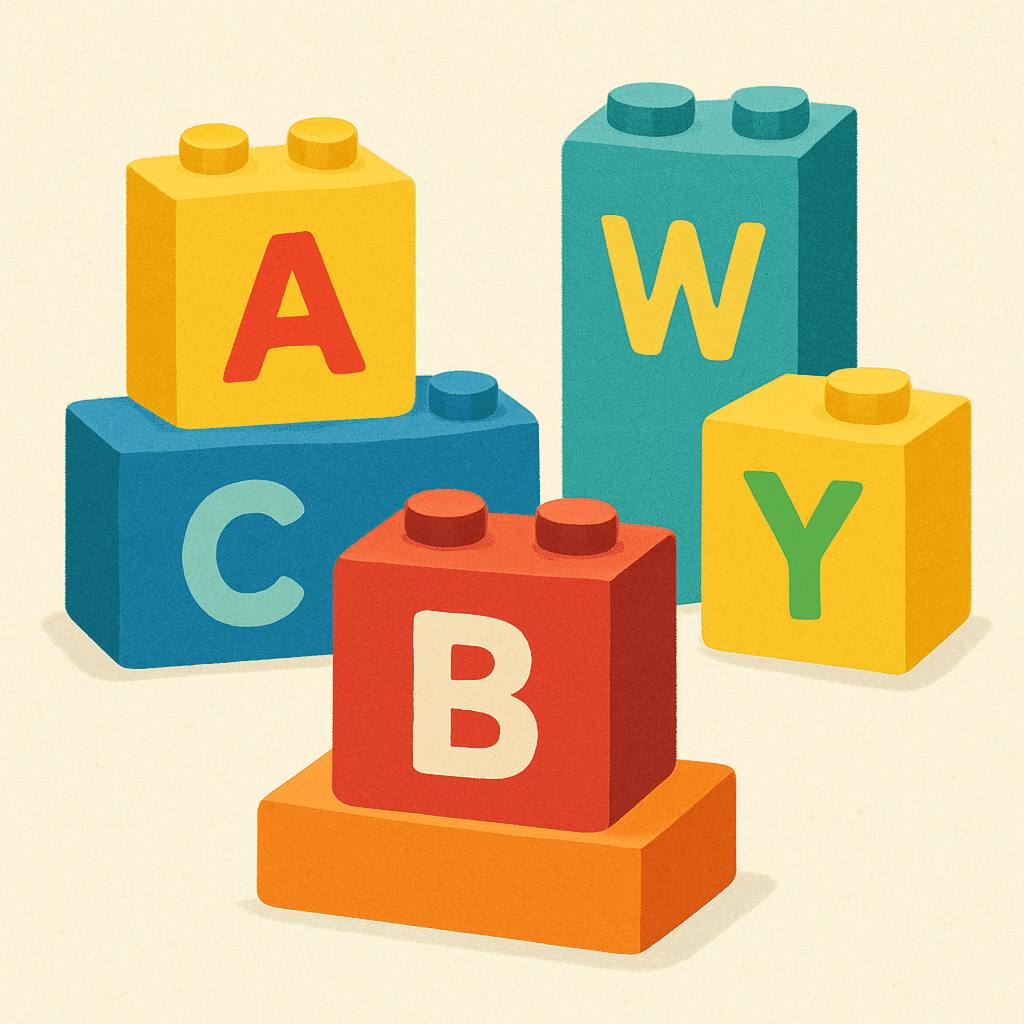
The ‚Alphabet of Bacteria‘: Why Protection Against Type C Doesn't Help Against Type B
Vaccination against the pathogens that cause meningitis is often considered a done deal. However, bacteria are like different locks on a door – a single key doesn't fit all of them. In medicine, we refer to these as serogroups (subgroups). If your child receives the standard shot at twelve months, they are well-protected, but only against type C.
Unfortunately, this partial protection does not create an automatic defense (cross-resistance) against other variants. This is precisely the crucial difference between the meningococcal C and B vaccines: the routine shot protects against type C, but meningococcal B causes most cases in Germany. To correctly assess the risk of dangerous, invasive meningococcal diseases, this overview of serogroups is helpful:
- Type C: Routine vaccination (covered by insurance), cases of illness have become extremely rare as a result.
- Type B: Most common trigger in Germany; a separate vaccination is necessary.
- Type A, W, Y: Mainly relevant for specific vacation regions (travel vaccination).
Because it takes time for full immunity to develop in the body, parental vigilance remains crucial.
Race against time: Recognize symptoms and act correctly in an emergency
Every parent is familiar with viral infections, which are usually completely harmless in children, but with meningococcal disease, every hour literally counts. How dangerous is meningitis for young children? The uncomfortable truth is: If the bacteria enter the bloodstream, they can rapidly trigger life-threatening blood poisoning (sepsis). Since the very first signs often resemble those of the common flu, paying close attention during this phase is the best protection.
However, the disease manifests itself very differently depending on age. While older children often complain of classic neck pain, the symptoms of bacterial meningitis in babies are much more non-specific:
- For babies: Piercing cries, extreme sleepiness (lethargy), sensitivity to touch, or a palpable bulging fontanelle (the soft spot on the head).
- In young children: Sudden high fever, severe headache, stiff neck, sensitivity to light, and projectile vomiting.
An absolute warning sign is small, reddish-violet skin hemorrhages, so-called petechiae. To distinguish these from harmless rashes, the glass test (diascopy) helps: Press a clear drinking glass firmly onto the spots. Do these fade under pressure not, is of the utmost urgency. Emergency treatment for suspected meningitis cannot be delayed – drive to the nearest emergency room immediately or call an ambulance. Given these dramatic courses of events, many families rightly ask why this protection is not already provided.
Understanding the STIKO Recommendation: Why Vaccination is (Still) Not an Automatic Standard
It's often surprising that protection against the most dangerous bacterial strain is missing from the regular vaccination schedule. STIKO Recommendation Meningococcus B Children has so far been primarily for risk groups. This absolutely does not mean that the vaccine is unsafe. Rather, the commission assesses the situation from a purely epidemiological bird's-eye view: Since the disease statistically occurs extremely rarely in this country, a general standard recommendation for all babies is not yet available.
A look at England, on the other hand, confirms the clear medical benefits. There, immunization has long been part of everyday life, which results in a high Bexsero Vaccine Duration of Protection and Efficacy has been impressively demonstrated. In Germany, however, a strict cost-benefit analysis in the healthcare system is holding back its automatic, widespread use. The authorities are carefully weighing whether the costs for all infants are justified in relation to the few individual cases prevented. For you as a family, however, what ultimately matters most is the individual protection of your own child.
The question of whether Meningococcal B vaccination mandatory or voluntary is, therefore, answered clearly: It remains a voluntary, but medically absolutely sensible decision. But who pays for the life-saving jab if the state doesn't mandate it?
Cost trap or insurance benefit? How to get your money back for the MenB vaccine
When it comes to your child’s health, money shouldn’t really matter—but vaccines are expensive. When asked when children should start receiving the meningococcal B vaccine, pediatricians usually give a clear answer: ideally, vaccination should begin at two months of age, in accordance with the Meningococcal B vaccine schedule for infants and toddlers. Since there is no general co-payment requirement, you will initially receive a private prescription as a statutory health insurance patient. However, many insurance providers voluntarily cover the costs. A quick search for Coverage of Meningococcal B Vaccination Costs by Health Insurance Providers in Germany quickly shows if your provider is covering the costs.
So you don't have to bear the costs yourself during subsequent reimbursement, a fixed procedure has proven itself in everyday life. Simply proceed as follows:
- Get recipe Have the private prescription written out at the doctor's office.
- Payment: Buy the vaccine at the pharmacy and keep the receipt in a safe place.
- Submit Send the pharmacy receipt and the doctor's bill to your health insurance company for reimbursement.
With this straightforward approach, you can secure reimbursement and ease the family budget.
Conclusion: Your 3-Step Plan for Complete Vaccination Protection
You no longer have to feel helpless in the face of the alarming news coming out of England. You have the tools to actively protect your child from the dangers posed by the serious long-term effects of meningococcal disease. Get started right away with these three simple steps to ensure your child’s safety immediately:
- Check cash register status: Check with your health insurance provider in advance to see if they will cover the cost of the vaccine.
- Schedule a doctor's appointment Discuss the individual benefit of this protective measure for your family.
- Schedule vaccine appointment: Plan your vaccination and openly discuss your experiences with the Meningitis B vaccine with your pediatrician.
The current outbreak in Great Britain is no cause for alarm, but rather an opportunity to proactively review your child's protection. With a well-informed decision, you give your child the best possible shield for a safe and carefree upbringing in daycare, school, and throughout their lives.